
The FCC’s latest round of E-rate appeal decisions, released October 1 (DA 26-1025), includes two worth your close attention: one that clarifies an important boundary of the new 15-day invoice extension rule, and one that serves as a useful reminder about the planning required to have a signed contract in place before the Form 471 filing window closes.
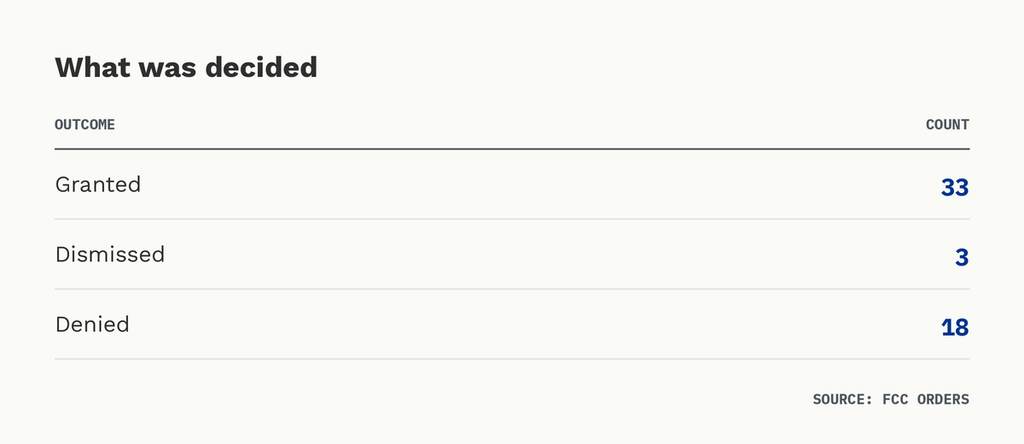
What Was Decided
Lesson 1: The 15-Day Rule Applies to Requesting the Extension, Not to the Extension Itself
One request for reconsideration in this order raised a question about how the new 15-day rule interacts with the invoice filing deadline. The applicant had already used its one-time 120-day invoice deadline extension and wanted more time. Its argument: the 15-day grace period should apply to the invoice deadline itself, not just to the request for an extension.
The Bureau said no. The 15-day rule allows applicants and service providers who miss the original invoice filing deadline to request a single 120-day extension from USAC, provided the request is made within 15 days of that deadline. It is a window for requesting the extension, not an additional grace period attached to the end of the extension itself. Once the one-time 120-day extension has been used, no further extension pathway exists through USAC. The prohibition on second invoice deadline extensions remains unchanged, and applicants in that position would need to demonstrate extraordinary circumstances (a high bar, reserved for situations genuinely outside your control) to seek a waiver from the Commission directly.
This distinction matters if you’re currently managing an invoicing timeline. The 15-day rule is a meaningful improvement to the program, but it operates at the front end of the process. It does not create additional runway once an extension has already been granted and used.
Lesson 2: Know Your Board Meeting Dates Before the Filing Window Opens
One waiver granted this month involved a district that couldn’t sign a contract before filing its Form 471 because its governing board hadn’t yet approved the commitment. The district received relief because it could not legally enter into a binding agreement until board approval was obtained, and the board meeting fell after the filing window closed.
While this particular waiver was granted, don’t plan around getting the same outcome. Board approval timing isn’t a reliable basis for planning. Waivers are granted on the specific facts of each situation and are never guaranteed. The better approach is to avoid the situation entirely. Map out your full procurement timeline before the window opens.
Board meeting schedules are typically set well in advance and cannot generally be changed. The FY2027 filing window has not yet been announced, but it has historically fallen sometime in mid to late March. If you need board approval before signing a contract, target your February board meeting as the deadline. Working backward from there, your Form 470 needs to go out soon enough to allow the full competitive bidding period to run and bids to be evaluated before that meeting. Starting that process now, rather than waiting for the window to be announced, is your safest move.
We Read These So You Don’t Have To
Staying ahead of E-rate deadlines and procurement timelines is easier with the right support. We read every one of these FCC decisions so you don’t have to, and our Guides work with applicants year-round to help them plan and stay on track.
Not sure if your board approval timeline lines up with next year’s filing window? Request a consultation today.
About the Author: Verlyne Jolley is a Director at Funds For Learning with more than 20 years of experience helping schools and libraries navigate the E-rate program. Her work focuses on regulatory compliance, program administration, and helping applicants understand and adapt to evolving FCC and USAC requirements.